Nsanje Hill
Historic artisanal tin workings dating to the 1930s, with hard-rock pegmatite grades of up to 22.1% Sn and a newly restored access road.
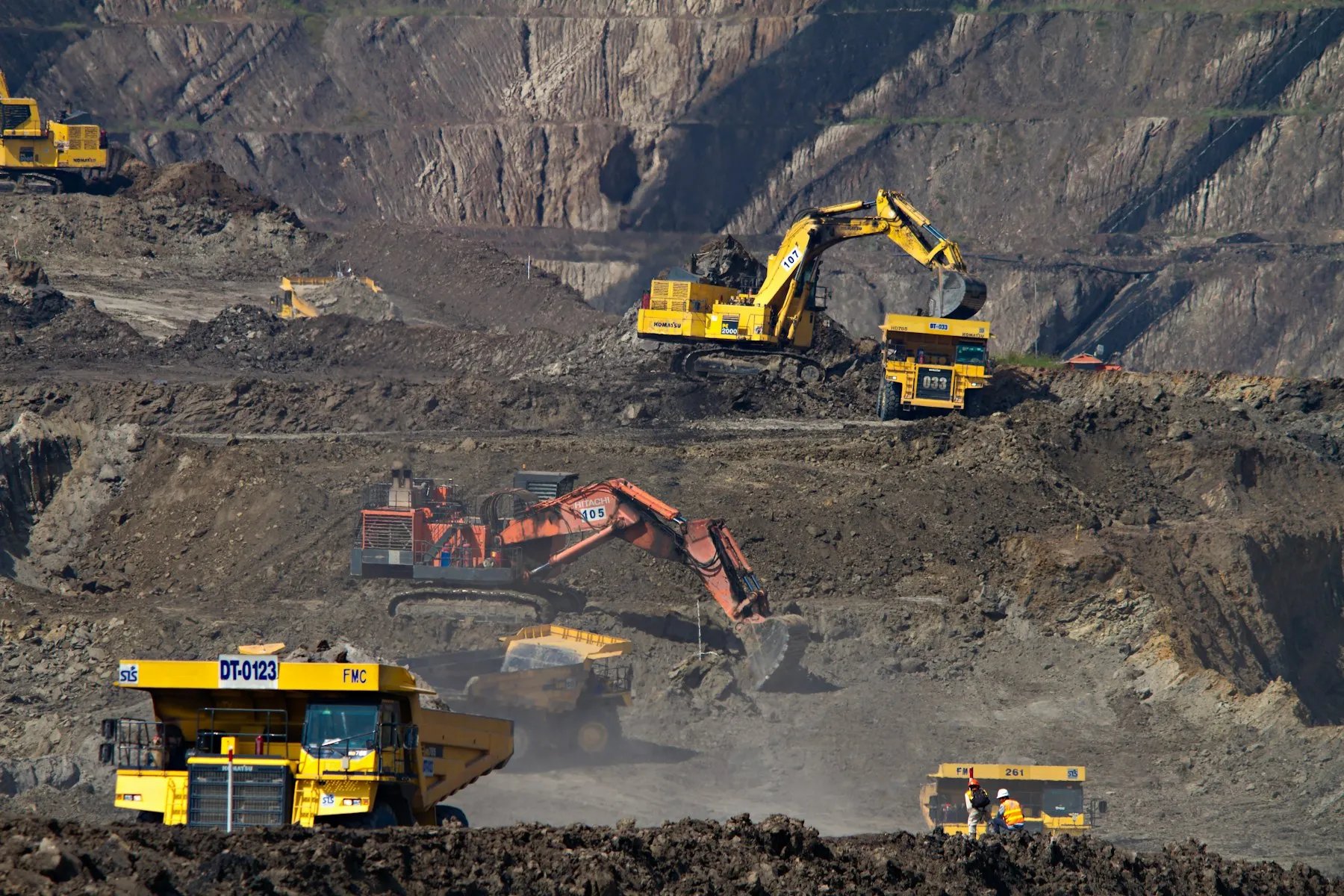
The Nsanje Hill Project covers 1,210 hectares and is 100% owned by Sable Ridge Metals. It targets tin mineralisation in both artisanal workings and hard-rock tin-bearing pegmatites.
Since the 1930s artisanal miners have extracted tin from the area using shallow, open-pit methods. The property shows promise for both alluvial and hard-rock tin, with several zones identified for further exploration and mining.
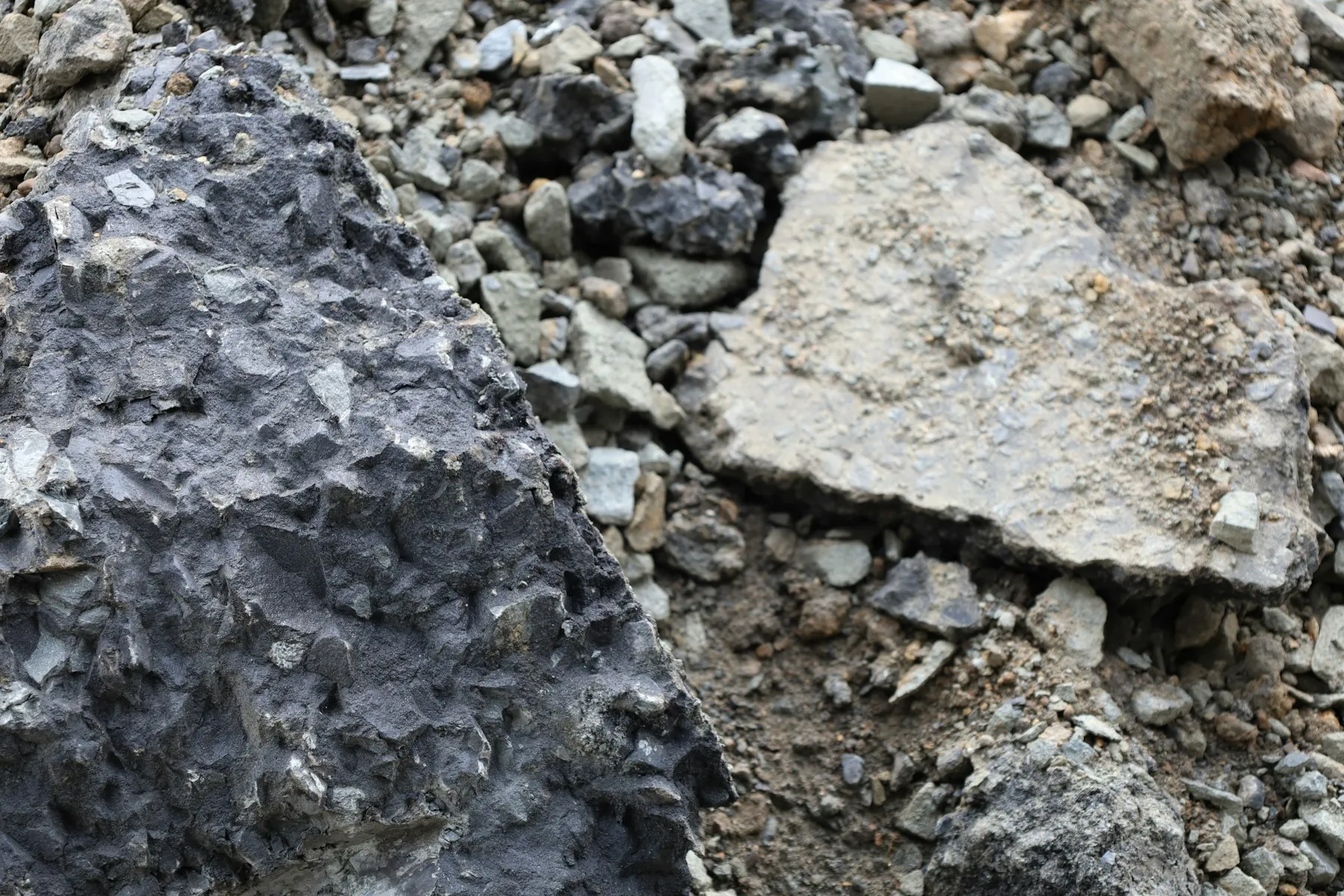
Laboratory analysis of exposed pegmatite material returned high-grade tin of up to 22.1% Sn from the hard rock. The company recently completed restoration of the 25-kilometre access road serving the site.
- TargetSatellite mapping and ranking of pegmatite outcrops
- SampleRock-chip and trench sampling, independent assays
- PermitEnvironmental approval and mining licence
- DevelopMine planning and first production
- Up to 22.1% Sn from hard-rock pegmatite
- Artisanal tin production since the 1930s
- 25 km access road restored
- Cassiterite and spodumene present in pegmatites
Why pegmatites carry so much
LCT (lithium–caesium–tantalum) pegmatites are the last, most chemically evolved fraction of a granite melt. As the magma cools, the elements that don't fit ordinary minerals — lithium, tin, tantalum, niobium — concentrate into these coarse-grained dykes.
In the Mwenda Belt the dykes intrude a metamorphic gneiss basement and weather out at surface, which is why artisanal miners have been able to work them by hand since the 1930s — and why modern sampling can test grade without drilling first.
Tenement outline, targets and sampling

Interested in Nsanje Hill?
Request the technical summary or arrange a site visit.